Tag Archive for Dr. Margaret Burroughs

Amazing South Side Women in Chicago History

There are truly some amazing South Side women in Chicago history and I’d like to spotlight a few of my favorites. I will not go into their full histories; you can check them out yourself. However, I will share why I adore these ladies.

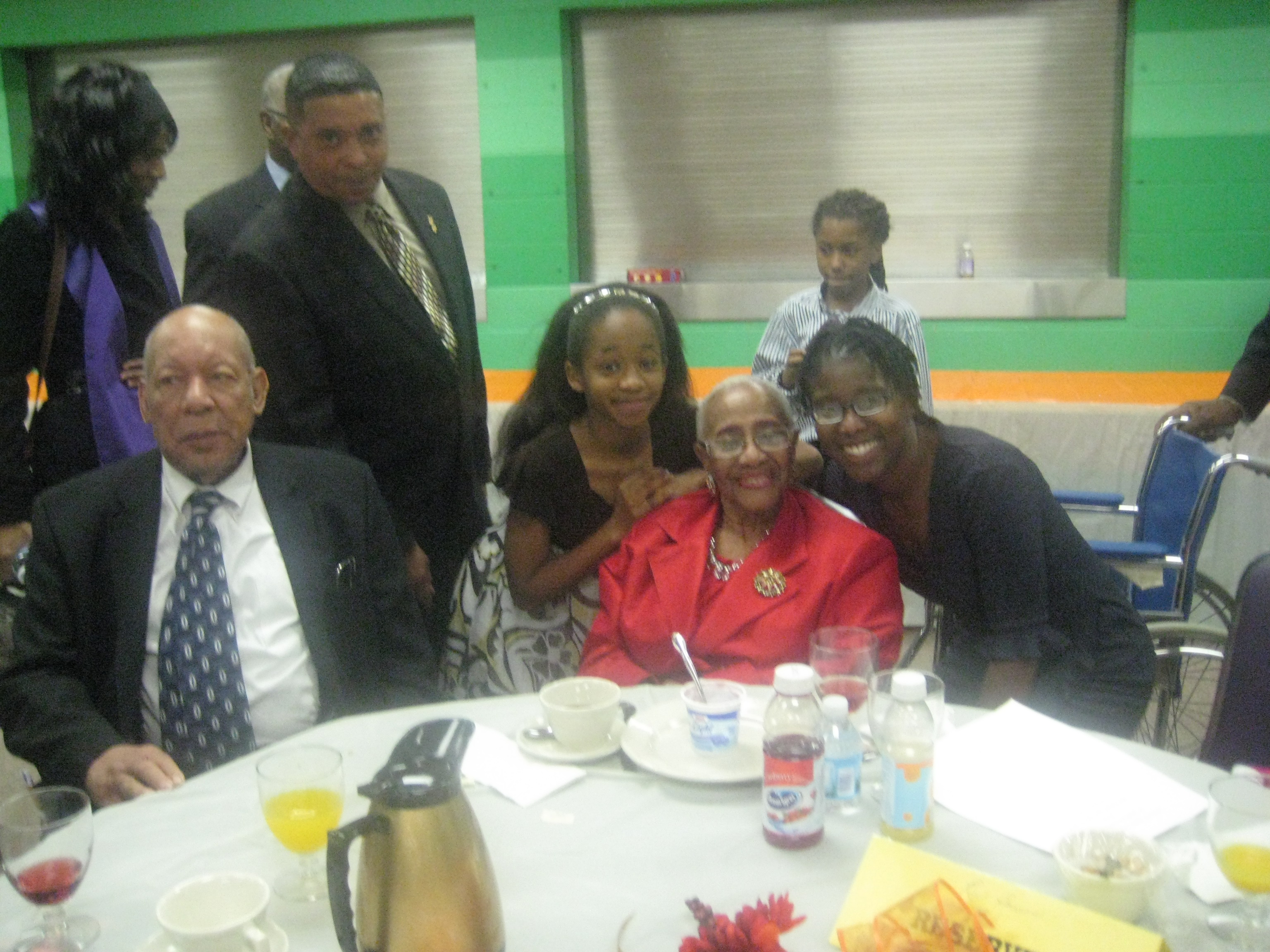
Rev. Willie Barrow

Reverend Willie Barrow

Affectionately known as “the little warrior”, the civil rights activist is a force to be reckoned with. Don’t let the short stature fool you. Dr. Barrow’s powerful presence and strong voice definitely command attention.

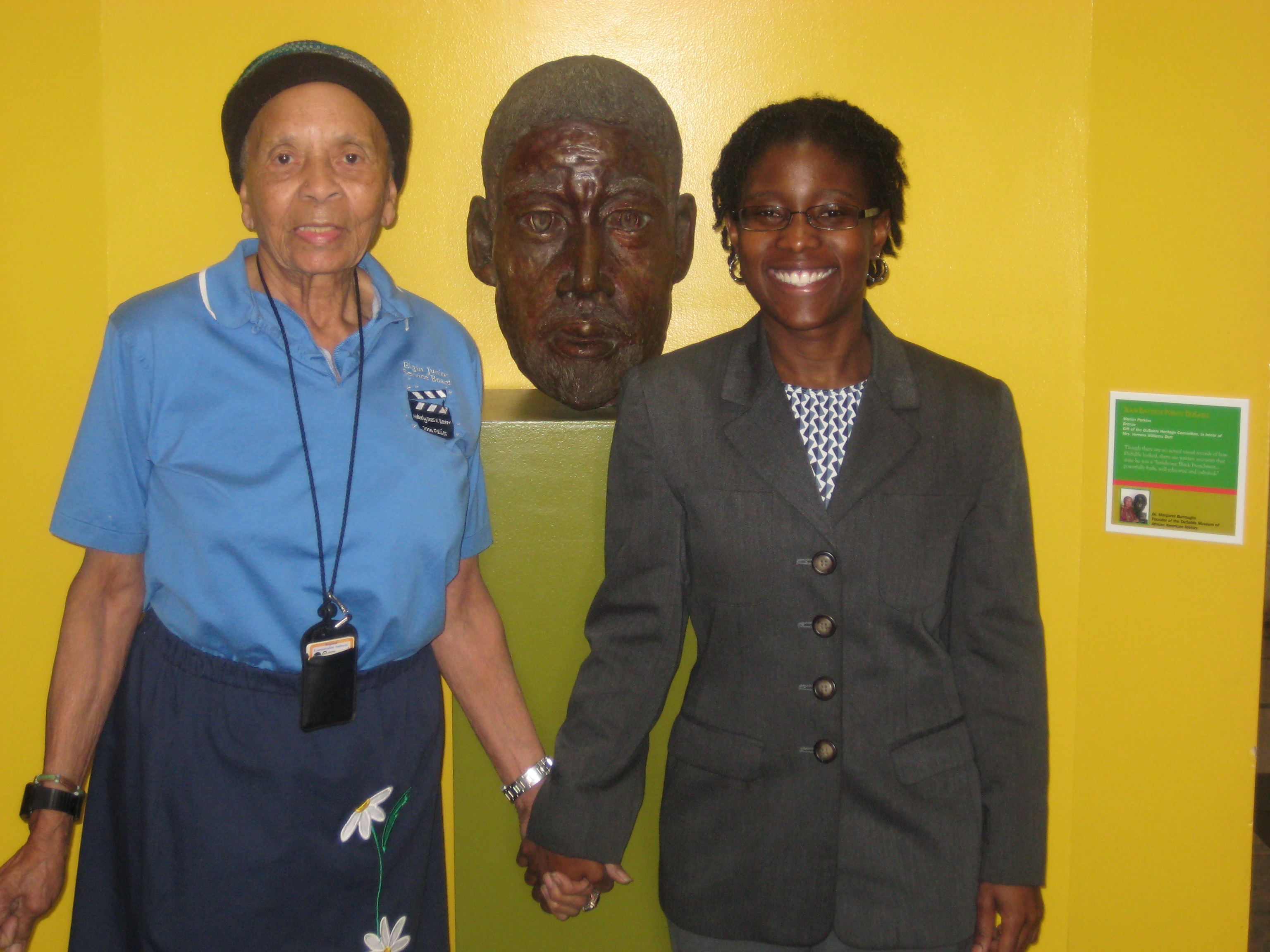
Dr. Margaret Burroughs

Dr. Margaret Burroughs & Me

Dr. Margaret Burroughs is one of the founders of DuSable Museum of African American History and the South Side Arts Center. She was truly a visionary as DuSable was the first Black History museum in Chicago and in the United States. Also, she roller skated well into her 90s.

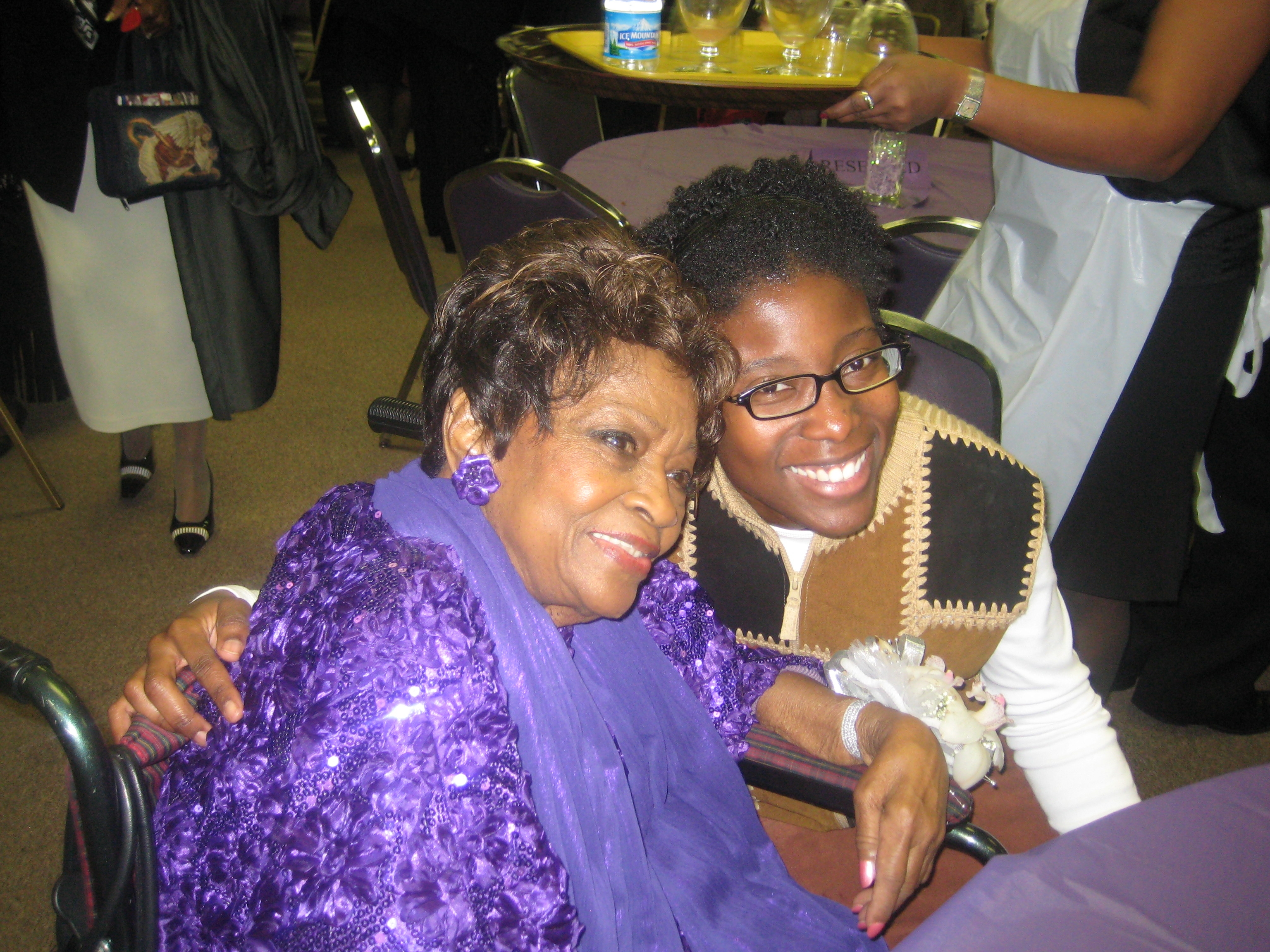
Rev. Addie Wyatt

Rev. Addie & Marcie
Rev. Addie Wyatt was a powerhouse in the labor movement. This was a bold move at that time because people were getting killed just for joining unions. And she was leading initiatives as a black female!! Gotta love this woman working her purpose.

These are just a few of the amazing South Side women in Chicago History. I know there are so many more, but I just wanted to give honor to those I adore.

Shorty’s Note: The title of this article was borrowed from KeriLynn Engel’s Amazing Women in History site.

What about you?

Who are some of your favorite South Side women in Chicago History??

Chicago’s Best Kept Secret: Jean Baptiste DuSable

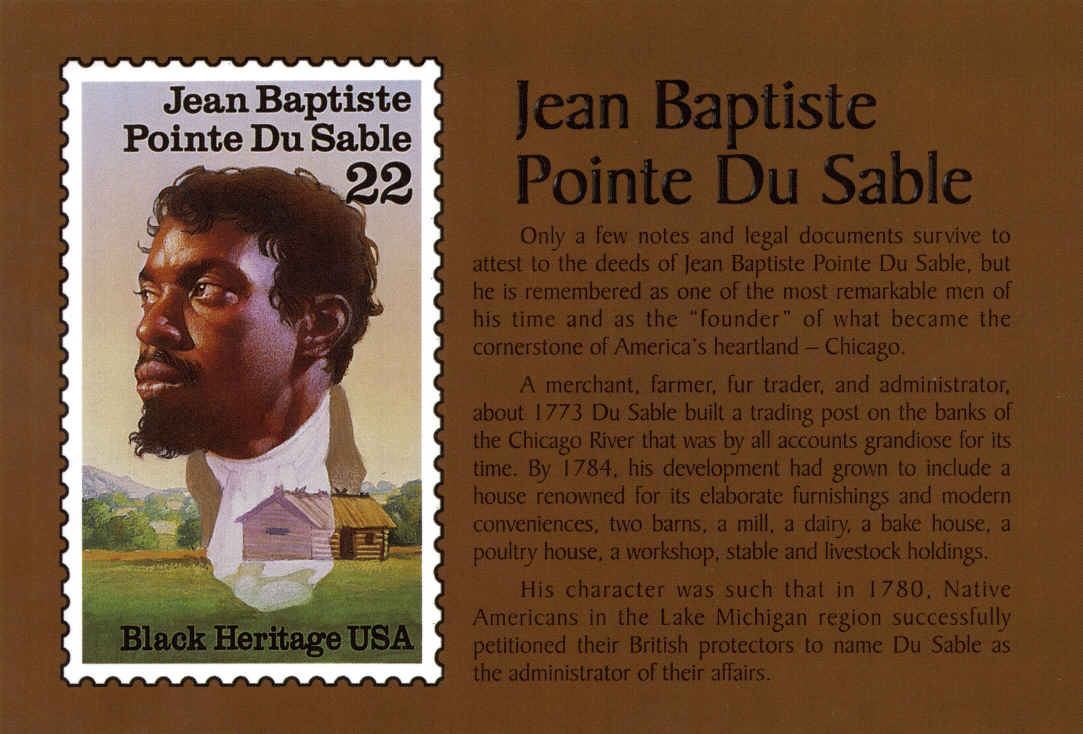
Jean Baptiste DuSable Postage Stamp

A 22 cent stamp??

Did you know that Chicago was founded by a black man? As much as Chicago leaders boast and brag about the Windy City and all of its accolades, this fact is kept under wraps.

Jean Baptiste DuSable was the first settler in Chicago in the late 1770s. Not much is known about his early life prior to 1745, but what is known is that he was a successful business man. His home was located along Chicago River where the Wrigley building sits today. Also, his home was considered the first mansion in this city (Chicago’s Mansions by John Graf).

This man was amazing but you would never know unless you looked him up yourself. Or, you can read about him in Toure Muhammad’s book, Chicago’s Self-Made Black Business Pioneers: Social Entrepreneurs Everyone Should Know About. Information is also available at DuSable Heritage Association.

DuSable Museum

Did you know that the DuSable Museum of African American History was named after Chicago’s first settler? There is a statue in his likeness in the lobby of the museum.

Dr. Margaret Burroughs & Me

Dr. Margaret Burroughs & Me

DuSable Museum was the first African American museum in the United States and Chicago. Founded by teacher and art historian Dr. Margaret Burroughs, this institution was opened in 1961 to share, preserve and educate people on the accomplishments of African Americans, as well as their contributions to American history.

You can visit DuSable year round, not just Black History Month. The annual membership is the best value.

How About You?

Did you know that Chicago was founded by a black man?

Know of any other resources about Jean Baptiste DuSable?


Image: www.egyptsearch.com

I’m Back…Happy Black History Month

Black History Month

Hey y’all! I’m rested and ready to kick off my return by wishing you a Happy Black History Month, and sharing a bit of Chicago’s Black History.

Did you know that the first settler in Chicago was a Black businessman? Jean Baptiste DuSable and his family made their home on what is now known as the Chicago River somewhere between 1774 and 1780; the exact date is unknown. Records show that Mr. DuSable was intelligent, talented and a peacekeeper. He was also pretty well-off financially.

The Bronzeville Community was home to the millions of southern Black people who migrated to Chicago and other northern cities during The Great Migration from approximately 1910 – 1930. They came this way for better housing and working conditions, but found that it was a minor step up from their southern experience due to racist laws and practices. They did, however, make the best of their conditions and built one of the most prosperous and vibrant communities in Chicago. Visit The Bronzeville Visitor Information Center for more details.

Founded in 1905 by John Sengstacke, The Chicago Defender newspaper was created to empower black people intellectually, politically, financially and socially. It also played an integral role in the Great Migration. Check out the Chicago Defender to see what’s happening in Chicago these days.

Provident Hospital was the first Black hospital in Chicago and the first and only black nursing training school in the United States. Opened in 1891 by Dr. William Hale, the first open heart surgeon, it still serves patients of all income levels.

Heard of the Pullman Porters? Most of these men lived in Bronzeville and worked in at The Pullman Company. These porters were ex-slaves who were treated as such even though they had “real” jobs. They worked long hours with short pay and even shorter sleep. They were the first group of black workers that formed a labor union with the help of Asa Philip Randolph. Visit the A. Phillip Randolph Pullman Porter Museum for more details and watch the movie 10,000 Black Men Named George. Ok, Pullman named all of his Pullman porters, all of whom were black, George. I do believe that there is a Bronzeville to Pullman tour, but I don’t have those details.

The DuSable Museum of African American History, founded in 1957 by my shero, Dr. Margaret Burroughs, is the first museum dedicated to Black History in the world. It was named in honor of Jean Baptiste DuSable, the founder of Chicago. On a totally unrelated note: did you know that Dr. Burroughs was a volunteer art teacher at prisons and roller skated in her 90s?

There were many Black politicians that held city, state and national offices, but the two most prominent are Mayor Harold Washington, Chicago’s first Black mayor, elected in 1983 and President Barack Obama, the first African American and 44th President of the United States.

Chicago is home to many music genres including jazz, gospel, blues and house music. I won’t go into details about each genre because that’s a post all in itself, but know that our musical influence is felt all over the world.

I could go and on, but I won’t. However, I MUST mention two of my most favorite Black people in history: Dr. Carter G. Woodson, the Father of Black History, and Ida B. Wells, the little journalist with great gall.

I encourage you to learn about Black History, particularly Chicago’s Black History, by attending events, watching documentaries and specials, and reading. More than anything, though, I want you to celebrate Black History year round, not just this month.

What do you know about Black History and Chicago’s Black History? Enlighten us please.


Image: phabienneanderson.blogspot.com


Seeking Chicago Roller Skaters 50 & Older for a Roller Skating Project

If you know of 50-somethings and older who used to roller skate in Chicago, or who still does, please let me know. I am having the hardest time finding anything on roller skating, so any assistance would be greatly appreciated.

In the meantime, check out the late Dr. Margaret Burroughs, the Founder of DuSable Museum of African American History, as she skates in her 90s.

Thanks for your help!

Dr. Margaret Burroughs: In Her Own Words - A Day-Long Celebration! - December 11, 2010

On Saturday, December 11th, The DuSable Museum of African American History will honor the life and legacy of its Founder, Dr. Margaret Taylor Goss Burroughs with a Celebration entitled “In Her Own Words” from 10:00am – 5:00pm.

The “family-friendly” program will also feature children’s workshops, including storytelling and art. Special musical and spoken word performances are also on the schedule and visitors will be able to leave their own tribute to Dr. Burroughs who was a teacher, mentor, friend and “mother figure” to thousands.

Admission to this event is FREE, however visitors are encouraged to either make a donation to the museum, or purchase a membership. DuSable Museum is located at 740 East 56th Place in Chicago’s Hyde Park Community.